What is Facelift Surgery?
A facelift, which is a popular surgery performed by plastic surgeons, has been in demand both in the present and in the past. The purpose of a facelift is to restore a youthful look and counteract the effects of aging, gravity, and muscle movement that have altered one's appearance over time. Plastic Surgery Vegas offers a full variety of facial cosmetic surgeries to men and women, including facelifts. This surgery focuses on precise sections of the face to tighten loose skin and address wrinkles to create a more youthful appearance. Based upon your aesthetic goals, a facelift can focus on fine lines and wrinkles, such as crow's feet, marionette lines, and more. Additionally, we can address the bottom portion of the face, including the jowls, neck, and more, for an all-around younger look. The facelift technique used depends on your goals, the health and condition of your skin, the degree of skin laxity, age, lifestyle, and other influences. Some individuals want a full facelift, while others may only want to address a specific portion. Our surgeons, Dr. Higgins and Dr. Silver, are highly trained and specialize in the complexity and delicate art of facelift surgery. The objective is to create a natural look that's gorgeous, subtle, and refreshed. To learn more, call our office in Las Vegas, NV, to schedule a consult.
What Are The Benefits Of A Facelift?
A personalized facelift surgery carried out at Plastic Surgery Vegas is a great cosmetic option for those who experience sagging skin and wrinkles and are wishing to boost the aesthetic of their complexion. Beautifying and functional advantages of this procedure include:
- Results are dramatic and long-lasting
- Targets multiple signs of aging simultaneously
- Tightens loose, sagging skin
- Addresses more severe wrinkles and lines
- Recontours the neckline
- Reduces saggy jowls
- Provides definition to the jawline and chin
- Eliminates a double chin
- Scars are minimal and virtually invisible
- Customizable results for both men and women
Facelift Reviews
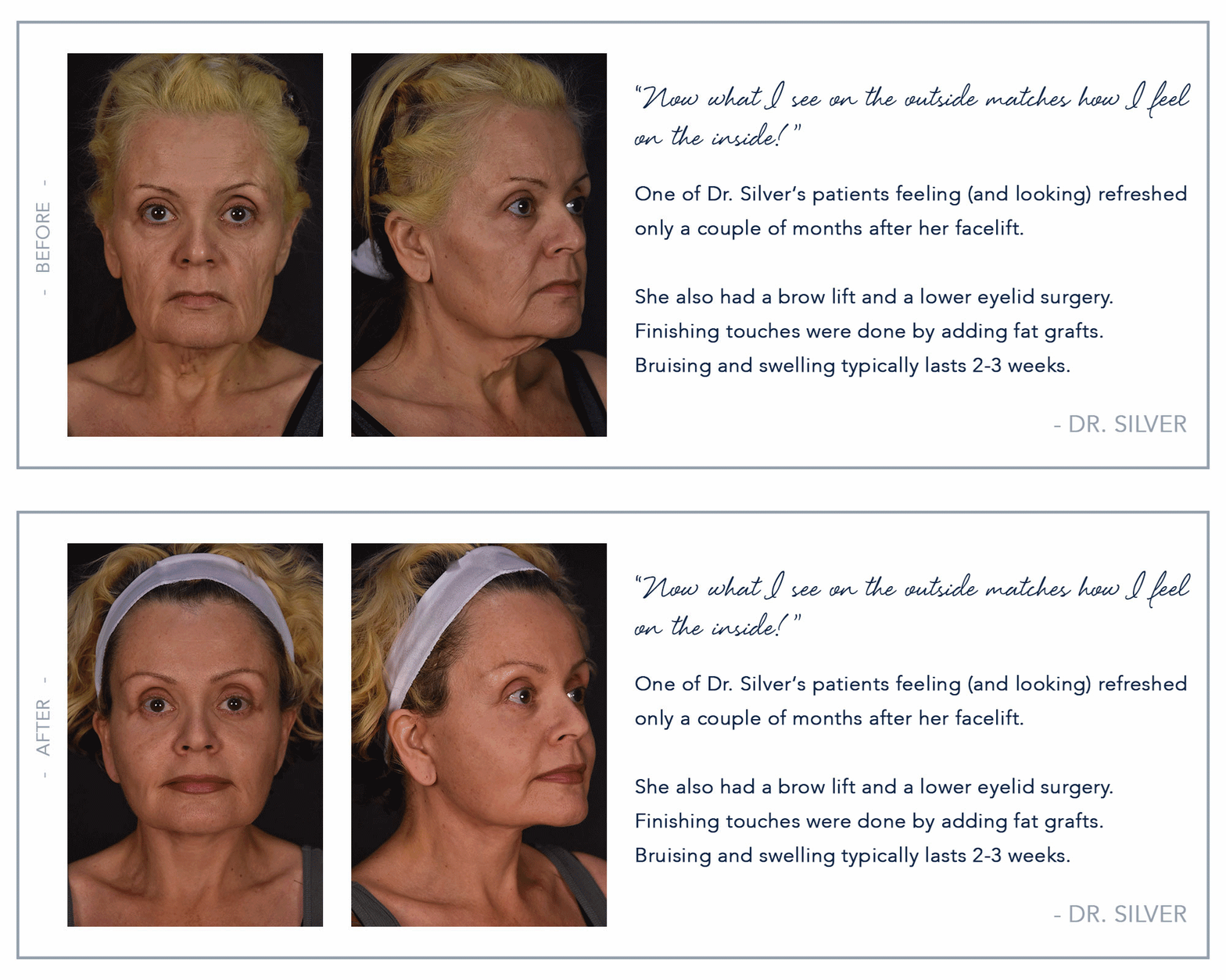
FACELIFT RESULTS
Who is a good candidate for a facelift?
Facelift surgery is a highly personalized procedure. This is an investment in yourself and should not be done to fit the standards or ideals of someone other than you. Often, patients inquiring about a facelift wish to:
- Address advanced lines and wrinkles around the mid or lower areas of the face
- Address one or more sections of the face
- Experience a firmer, more youthful appearance to the face
Is a facelift right for you?
Individuals who are suitable for a facelift are bothered by drooping skin, lines, and wrinkles on the face, whether it be the face as a whole or on the upper, mid, or lower face. Facelift surgery can address various sections, depending on your unique needs. It's also important to note that age doesn't always define the time in life to have cosmetic facial surgery. There are so many unique concerns and reasons that could lead to someone wanting a facelift during their younger years. There are also numerous lift methods, depending on what needs to be addressed. The facelift chosen will vary for patients who are between 30 – 40 years old versus those who are over 60. Skin elasticity is one of the most important components in the decision-making process. Patients should be in good physical health and be a nonsmoker, and also have expectations that are realistic.
What CAn I Expect Before a FAcelift?
At Plastic Surgery Vegas, you can take advantage of a complimentary consultation to learn more about a facelift and make an informed decision. Our consultations are relaxed and unhurried, and you are welcome to take as much time as you need to ask questions and discuss your concerns. On average, a consultation lasts between one to one and a half hours.
You'll be meeting with our one of our highly skilled and experienced facial surgeons, who will review your medical history, examine your facial skin, and explain the procedure, recovery process, and potential risks and benefits. After your meeting with one of our surgeons, you'll have the opportunity to meet with our Patient Care Coordinator, who will provide you with access to our extensive collection of before-and-after photos of facelift patients treated by Plastic Surgery Vegas. We'll also address any questions you may have regarding costs and financing options.
What Will My Facelift Surgical Plan look like?
To start, we'll have a one-on-one consultation to go over your desires and what you want to accomplish with your facelift. We will review your facial structure and then craft a treatment plan based on your needs and set realistic expectations. We'll go over this plan in detail to help you understand exactly what to expect leading up to, during, and even after your facelift surgery. We will also go over any questions or concerns you have.
How is a FAcelift performed?
Depending on your individual needs, there are various levels of facelifts available. Some facelifts rejuvenate the upper portion of the face while others focus on the middle and lower. Furthermore, some procedures are slightly more invasive than others. It's very common for some patients to have an eyelid lift, brow lift, or wrinkle-relaxing injections and fillers to complement and enhance their outcomes. A few facelift techniques include:
- Full Facelift
Common for older adults, the full facelift generally incorporates an incision close to the hairline, extending down to the temples, stopping near the base of the ears. The underlying facial tissues and muscles are delicately pulled and tightened to produce a lifted look, which diminishes excessive wrinkles and sagging skin. The traditional facelift is used for individuals who show signs of advanced aging. During a full facelift, many techniques may be used, including upper or lower blepharoplasty to address the eyes or neck reduction for the lower region. - Mid-Facelift
Using a similar method to the mini lift, the mid-facelift (also known as a cheek lift) focuses on the hollow and lax areas near the cheekbones and the upper jaw. This lift works nicely for those who desire improvement in the middle to lower region of the face, which also includes the jowls. - Lower Facelift
This particular facelift corrects the neck region and chin, and sometimes the jowls. Nonsurgical methods, such as laser skin tightening or KYBELLA®, can also be used for chin reduction to attain a softer, tighter neck. - Mini Facelift
When undergoing a mini facelift, a small incision is placed around the ears to lift the skin, which enhances the mouth, jawline, and jowls. This technique creates subtle improvements that look beautiful and natural.
What can I expect After a facelift?
Following your procedure, you will be monitored before you are released to be taken home by a friend or family member. Prior to your procedure, our team will plan your follow-up appointments and discuss tips to help you recover faster and more comfortably. You should expect to have swelling and puffiness, slight to moderate soreness, and discomfort, which can be reduced by prescription pain medication. You should look and feel normal after about a month. You will see a more glowing look with fewer lines and sagging. Overall, your face will appear slightly lifted and rejuvenated.

Facelift faq
Which facelift technique is best for me?
The best surgical facelift technique for you will depend on your concerns, goals, level of skin laxity, what areas are being addressed, and more. To produce the results you want, we will explain the different techniques during your consultation. We will then help you choose which technique is best for you.
Should I receive a surgical or nonsurgical facelift?
While there are many great nonsurgical skin tightening procedures, these can only produce small improvements. For moderate to severe skin sagging, facelift surgery is the best choice to improve your appearance. During your consultation, we will discuss your options, including nonsurgical procedures, to help you select which is best for your needs and goals.
What about wrinkle fillers and relaxers over facelift surgery?
Wrinkle fillers and relaxers, like BOTOX® and JUVÉDERM®, have become very popular to refresh the face. Also known as a liquid facelift, nonsurgical wrinkle treatments are good for early signs of aging; however, the results are temporary. A facelift will produce more dramatic improvements than injectables, with results that can last for a long time. Ask our team about injectable treatments during your consultation to learn more about how they can help you achieve your cosmetic goals.
Will my facelift results look natural?
Many patients worry that facelift surgery will make their skin look shiny, overly tight, or like they live in a wind tunnel. Our surgical team focuses on giving you results that look natural — so you appear refreshed, not fake. We listen to your needs and goals before creating your custom treatment plan to produce your best results.
How much does a facelift cost?
The total cost of your facelift will depend on the technique performed and other factors. During your consultation, your Plastic Surgery Vegas surgeon will create your unique treatment plan based on your needs and goals. When this is established, they can discuss cost estimates. To avoid results that look unnatural, it's better to focus on finding an experienced surgeon, like our practitioners at Plastic Surgery Vegas, instead of the lowest price. If needed, Plastic Surgery Vegas can help you find low-interest financing that will make your surgery affordable.
How should I prepare for a facelift?
Before the procedure, your surgeon at our Las Vegas, NV facility will provide detailed pre-operative instructions. You may need to stop smoking, avoid certain medications, arrange for help during your recovery, and thoroughly clean your face on the day of surgery.
The Right Facelift for You
Facelift surgery can turn back the hands of time for your face and provide you with a fresh look. Thankfully, there is a wide variety of choices for surgery, depending on your unique goals. This treatment is meant to help you look younger but natural. To learn more, we welcome you to contact Plastic Surgery Vegas in Las Vegas, NV, to schedule your private consultation with our skilled team.